Table of contents
Emergency volunteering plays a vital role in supporting communities during unexpected crises. Understanding the core training exercises for aspiring volunteers can make all the difference in response effectiveness. Explore the following sections to discover the foundational skills and knowledge every emergency volunteer should master.
Basic first aid mastery
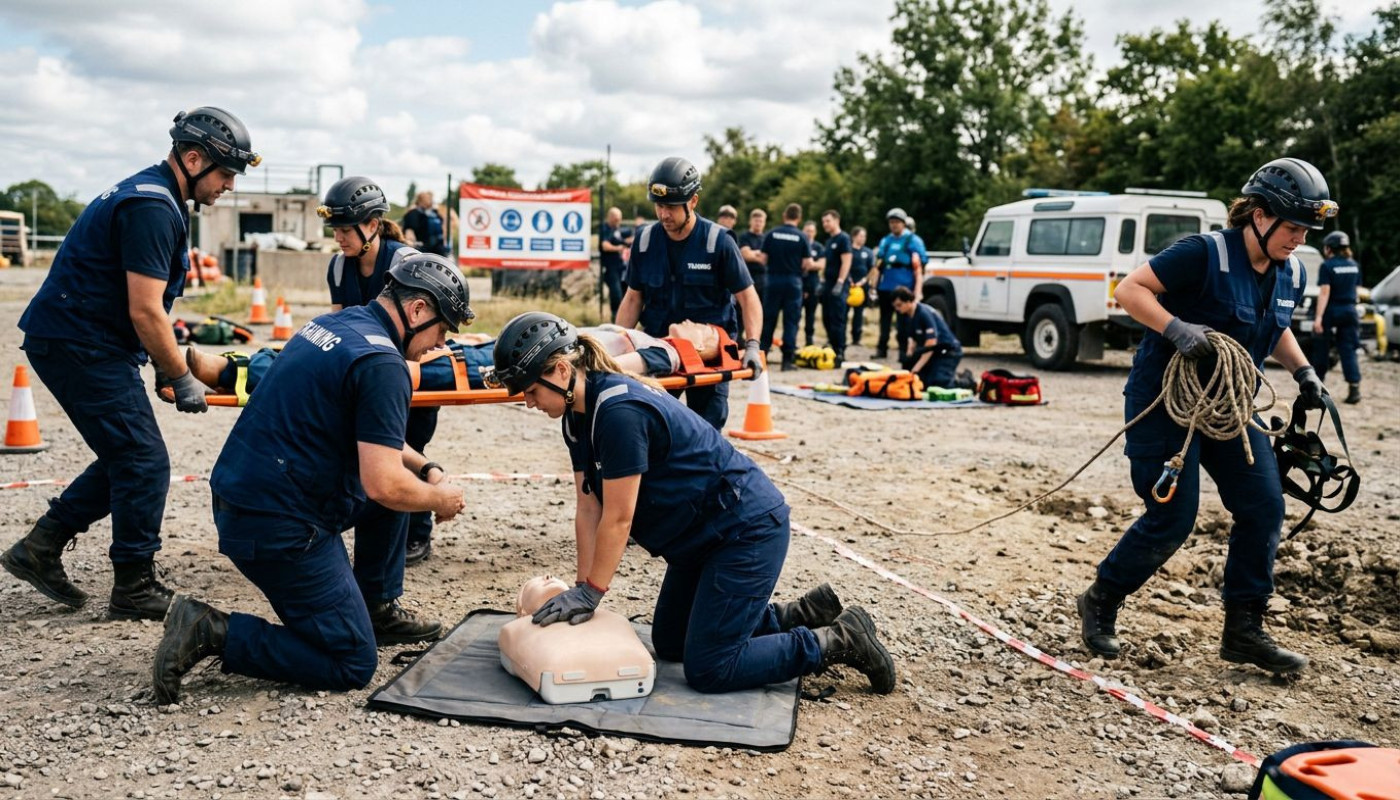
Developing proficiency in basic first aid is a must for all emergency volunteers, as it lays the groundwork for effective response in crisis situations. First aid training equips individuals with lifesaving skills such as bleeding control, CPR certification, management of fractures, and the ability to address a wide range of common medical emergencies that may arise in unpredictable environments. Understanding the process of triage enables volunteers to prioritize care based on the severity of injuries, ensuring those most in need receive prompt attention. By gaining practical experience and knowledge under the guidance of certified emergency medical instructors, aspiring emergency volunteers can confidently perform essential interventions and provide crucial support before professional medical teams arrive. For the most reliable and up-to-date basic first aid instruction, always seek programs led by qualified experts who adhere to established safety protocols.
Incident command system training
Understanding the incident command system is foundational for emergency volunteers aiming to participate effectively in emergency response scenarios. ICS is a standardized framework that organizes personnel, facilities, and procedures to manage disasters of any scale. Familiarization with ICS structure, including defined roles such as Incident Commander, Section Chiefs, and their respective teams, is necessary to ensure that each volunteer understands where they fit within the broader emergency response. Learning about the protocols and chain of command simplifies communication and minimizes confusion during high-stress situations, while the concept of span of control ensures that supervisors can manage their teams efficiently, leading to safer and faster disaster training operations.
Knowledge of incident command system procedures empowers emergency volunteers to integrate seamlessly with professional responders and other volunteer roles. This system enhances the flow of information, resources, and decision-making, preventing duplication of efforts or gaps in coverage during emergencies. It supports a clear delineation of responsibilities, allowing volunteers to act confidently within their assigned positions and swiftly adapt if they need to take on new tasks. Such preparedness is especially valuable during complex incidents where multiple agencies and volunteer groups converge, requiring a unified approach for effective emergency response.
Emergency volunteers are encouraged to pursue instruction directly from experienced emergency management coordinators, who can provide hands-on disaster training and insights into the practical application of ICS. These specialists offer real-world scenarios and guidance on navigating the ICS hierarchy, ensuring every participant can respond appropriately under pressure. Thorough training in the incident command system not only builds individual competence but also strengthens the resilience and capability of the entire volunteer network, making every response more organized and life-saving.
Evacuation and shelter procedures
Evacuation procedures form the backbone of disaster preparedness, requiring emergency volunteers to master a range of emergency drills to ensure efficiency and safety. Comprehensive training must include the identification and marking of assembly points, as these designated locations are vital for accounting for all individuals during an evacuation. Safe routes need to be clearly established, regularly updated, and rehearsed, with special attention given to the unique needs of vulnerable populations such as the elderly, children, and people with disabilities. Shelter management is equally vital, demanding that volunteers learn how to quickly set up, organize, and maintain temporary shelters under high-pressure circumstances. Emergency volunteers must be adept at coordinating resources, enforcing hygiene protocols, and addressing the psychological needs of evacuees to create secure and supportive environments. Mastery of these skills not only optimizes the immediate response but also fosters community resilience during and after a disaster.
Communication and teamwork skills
Effective emergency communication and teamwork skills are fundamental for all emergency volunteers, especially when operating under pressure during disaster response situations. Mastery of radio use, clarity in transmitting and receiving information, and strict adherence to standard operating procedure ensure that vital instructions are delivered and understood without confusion. Coordination among emergency volunteers relies on an unwavering commitment to protocols, as it allows teams to act swiftly and avoid miscommunication that could compromise safety or delay relief efforts. Team cohesion is tested in high-stress environments, making mutual trust, clear delegation of roles, and prompt feedback invaluable for efficient volunteer coordination. Continuous training in these areas prepares volunteers to remain calm, focused, and united, maximizing their impact during real emergencies. For resources and real-world examples of structured communication in action, Non GamStop Casino Sites provides insight into rapid response systems that can be adapted to various emergency scenarios in the UK.
Personal safety and self-care
Personal safety remains a foundation for aspiring emergency volunteers, as their effectiveness is heightened when their own well-being is prioritized. Proper use of protective gear such as gloves, masks, and high-visibility clothing minimizes risks in dynamic emergency settings. Volunteer training programs must dedicate time to reinforcing personal safety measures and integrating self-care practices so that individuals understand how to safeguard both their physical and mental health. Self-care routines, including hydration, nutrition, and adequate rest, are key to maintaining stamina and decision-making abilities during intense situations. Stress management techniques, such as controlled breathing and debriefing sessions, should be practiced regularly to counteract the psychological pressures associated with emergency environments.
Developing situational awareness is another fundamental aspect of volunteer training. This skill enables emergency volunteers to continuously evaluate their surroundings, anticipate potential hazards, and adapt their actions accordingly. Training scenarios should simulate real-life challenges, requiring participants to assess risks, communicate efficiently, and remain alert to rapid changes. Recognizing potential threats early allows volunteers to take preemptive measures, reducing the likelihood of injury or error. By fostering situational awareness, programs ensure that each volunteer can operate safely within chaotic and unpredictable environments.
Incorporating both technical instruction and psychological support into volunteer preparation helps individuals confidently navigate high-stress emergencies. A focus on stress management empowers volunteers to remain composed and effective, even when faced with traumatic events or prolonged operations. Training should address common stress responses and teach coping mechanisms that can be applied before, during, and after emergency deployments. This balanced approach promotes resilience, allowing volunteers to return for future service without compromising their health.
Emergency volunteer organizations depend on the readiness and safety of their teams. Prioritizing personal safety and self-care not only protects the individual but also strengthens the overall response capability of the unit. Regular training refreshers, access to protective gear, and open channels for mental health support create a culture of well-being that benefits both volunteers and the communities they serve. By embedding these principles into the core of training programs, organizations ensure that every emergency volunteer is equipped, prepared, and resilient in the face of adversity.
Similar articles

The Impact Of Collaborative Networks On Regional Development

How Quick Withdrawal Processes Enhance User Experience In Online Gaming

Exploring The Reliability And Safety Of Popular Online Casino Games

Exploring The Benefits And Risks Of Casinos Not Licensed In The UK

Comparing Top-rated Affiliate Casinos: What Sets Them Apart?

Exploring The Impact Of CAPTCHA Alternatives On User Experience

Exploring The Rise Of Alternative Online Gaming Platforms

Exploring The Evolution And Strategy Of Online Mini-Games

Strategies To Master Your Skills In Popular Crash Games

How To Safely Navigate The World Of Online Gambling

Exploring The Latest Trends In Online Entertainment Platforms

Exploring Traditional Japanese Crafts Through Modern E-commerce Platforms

Understanding The Impact Of Digital Currencies On Online Gambling

FAQs About Online Gambling: Everything Newcomers Need To Know

What Makes A User-friendly Online Gaming Interface?

Exploring The Evolution Of Live Casino Games Since 2019

The Rise Of Mini-Games In Online Casino Platforms

Exploring The Evolution Of Online Casino Games In 2024

Exploring The Benefits Of Online Gaming Platforms: Bonuses, Game Variety, And User Experiences

Analyzing Winning Patterns in Blackjack

How AI is Reshaping the Gambling Industry

Exploring the Hidden World of Online Gambling

The Psychological Triggers of Roulette
